

Australia appears increasingly open to genetically modified (GM) foods as evidenced by the upcoming launch of Purple Bliss tomatoes here, following their approval by the Food Standards Australia New Zealand. This follows the 2024 regulatory approval of the disease-resistant banana variety QCAV-4. This article reviews the differences in IP strategy for these products.
Purple Bliss tomatoes: A feast for the eyes and palate
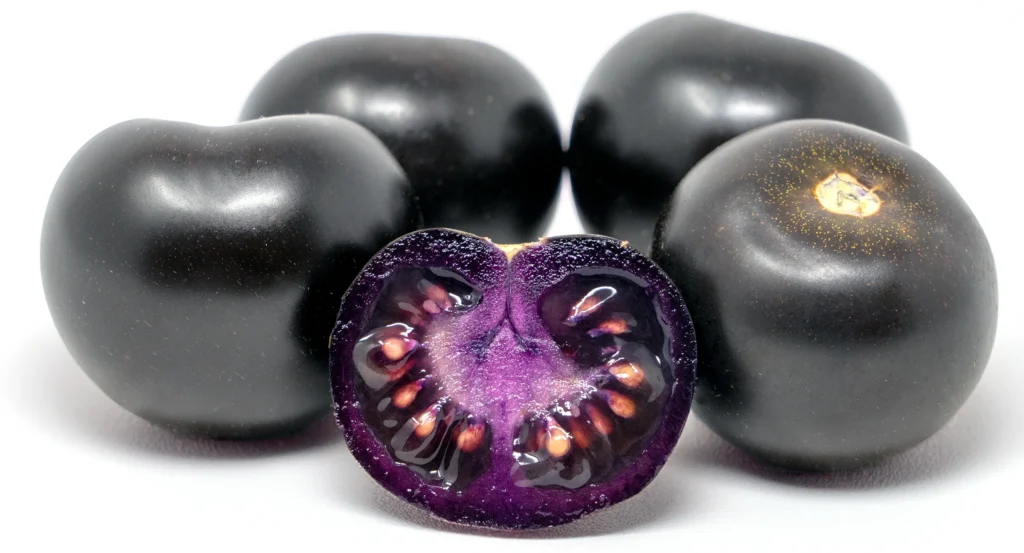
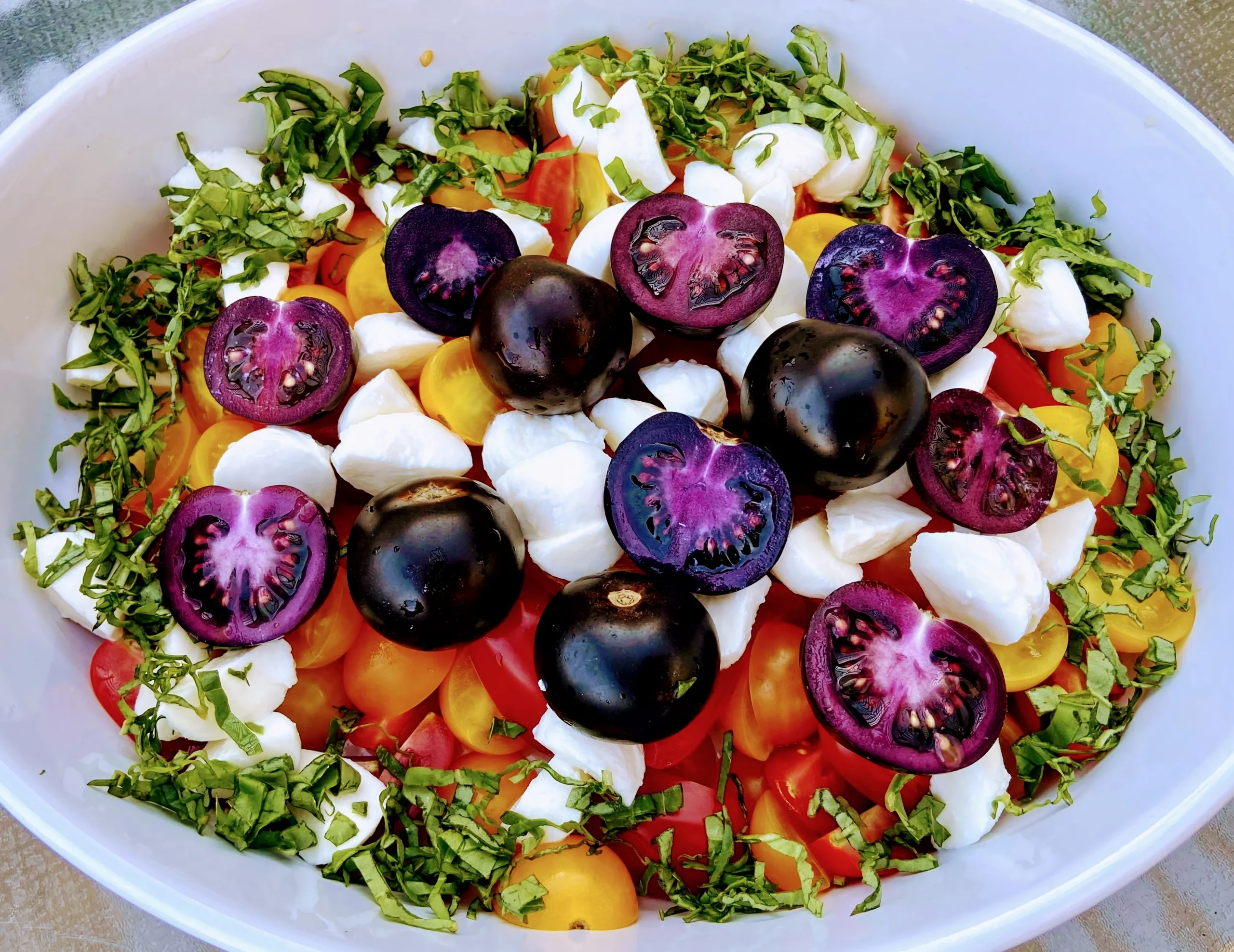
The Purple Bliss tomatoes have a vibrant purple colour that arises from inclusion of genes from snapdragon flowers. These genes produce antioxidant anthocyanin pigments. Unlike purple and black heirloom varieties, Purple Bliss tomatoes are purple throughout the fruit, not merely on the skin. Purple Bliss tomatoes are already in the market in the US. The tomatoes are marketed as sweeter and juicier than traditional tomatoes as well as providing health benefits and visual appeal.
QCAV-4 bananas: “Break glass in case of emergency”
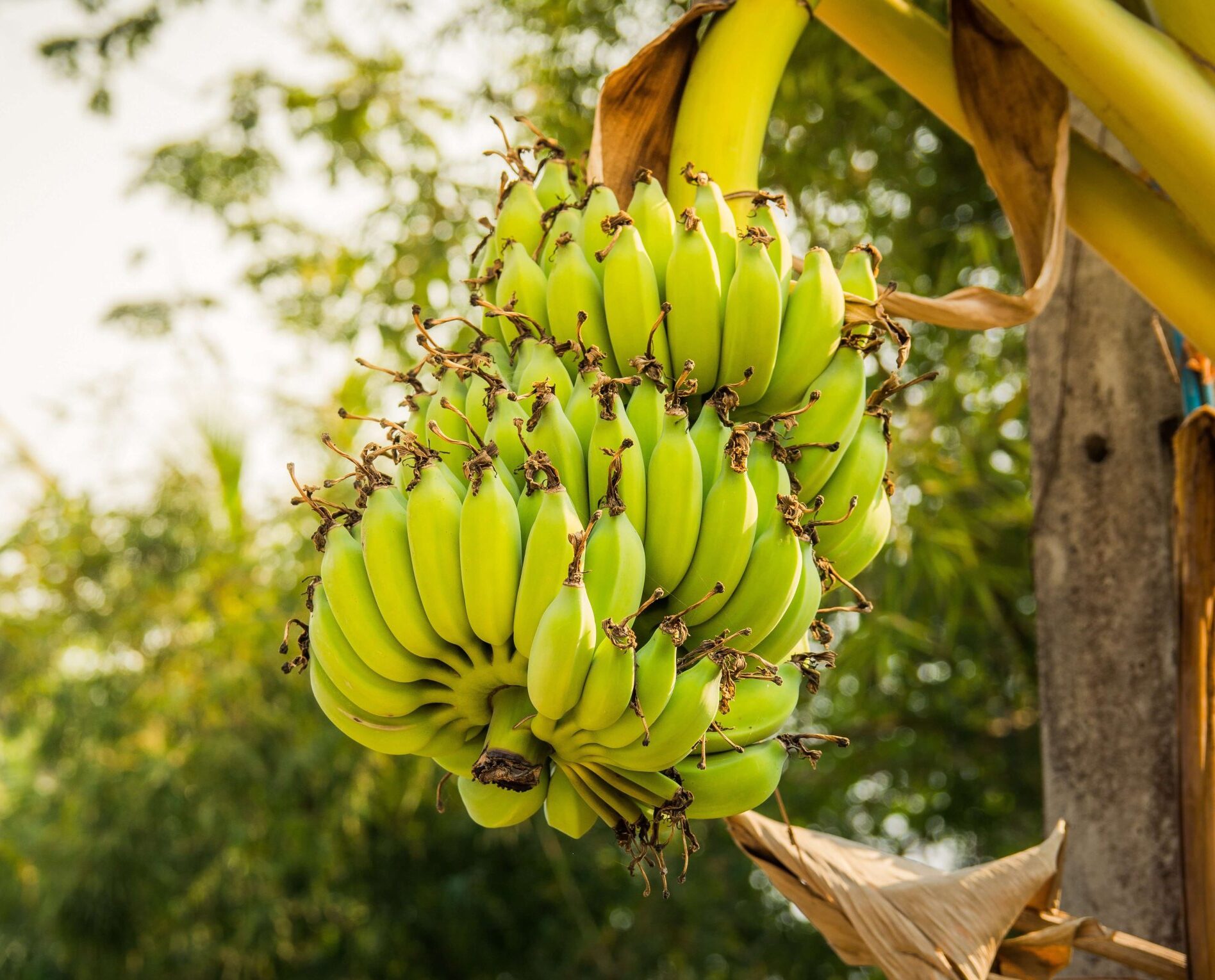
In contrast, the GM banana variety QCAV-4 is marketed as a “normal” Cavendish banana, with typical appearance and taste. Nearly all bananas sold in Australia (and worldwide) are Cavendish. The QCAV-4 variety includes a gene from a wild banana species that confers enhanced resistance to Panama disease, a soil-borne fungus. The fungal subspecies TR4 is of particular concern, due to its ability to rapidly wipe out plantations. Australia’s diligent biosecurity regime has limited the impact of TR4 in Australia to date. QCAV-4 are not for sale but are being held “in hand” as a solution if a future TR4 outbreak proves catastrophic to the banana industry in Australia.
Contrasting intellectual property strategies
There are many forms of intellectual property protection. Of particular relevance in the GM food space are patents and plant breeder’s rights (PBRs). The developers of QCAV-4 maintain a granted Australian PBR. They also filed an Australian patent application but allowed that to lapse over time – possibly in response to the difficulties with selling the product here. The developers of Purple Bliss tomatoes have patent protection overseas but did not file a patent or PBR application in Australia. This means that, currently, the product with the smaller commercial market (albeit with the potential to relatively rapidly gain a large market) has more comprehensive intellectual property protection.
Regulatory approval vs patents and PBRs: Differing and complementary rights
Both Purple Bliss tomatoes and QCAV-4 bananas have regulatory approval in Australia. Australia also has provisions for applicants seeking regulatory approval of a novel food or nutritive substance to also apply for exclusive use to a brand or class of food for up to 15 months. However, the 20 year period of exclusivity provided by a patent or plant breeders right is much longer.
While the regulatory approval allows the sponsor to enter the market, a patent or other intellectual property is needed for long term protection from competition.
Getting ahead and staying there: The value of planning for exclusivity
The developers of Purple Bliss have presumably incurred significant costs and taken on risk in product development and regulatory approval. The developers of Purple Bliss appear to have focussed their IP efforts on the US market, having obtained granted US patents and obtaining regulatory approval there at first instance. Unfortunately, the rigid nature of the patent system means that it is no longer possible to seek patent protection for the invention underlying Purple Bliss in Australia.
Assuming Purple Bliss is a commercial success here, return on the investment incurred in developing this technology would very likely be increased with the significant exclusivity period available through patent and/or plant breeder’s rights in Australia. For some products, protection in a larger jurisdiction effectively protects a smaller one. This is essentially because it is not worthwhile for a competitor to compete without access to the larger market. It will be interesting to see if the foreign patents for Purple Bliss are effective to protect that product in Australia for the patent term in the fresh food tomato market, where supply chains are significantly more localised than in many other products.
Final thoughts
Australian regulators and government have demonstrated that they are willing to engage with innovators in agriculture, including in the GM food space. Some of these inventions have the potential to be highly valuable and highly competitive. Patent protection can significantly improve commercial outcomes for these inventions. However, patent protection requires early-stage planning.
Here at FPA Patent Attorneys, we have deep knowledge and experience in Agribusiness. We focus on local clients, with the client’s commercial needs and considerations driving the strategy we develop in partnership with them. If you are interested in advice in this space, please get in touch.